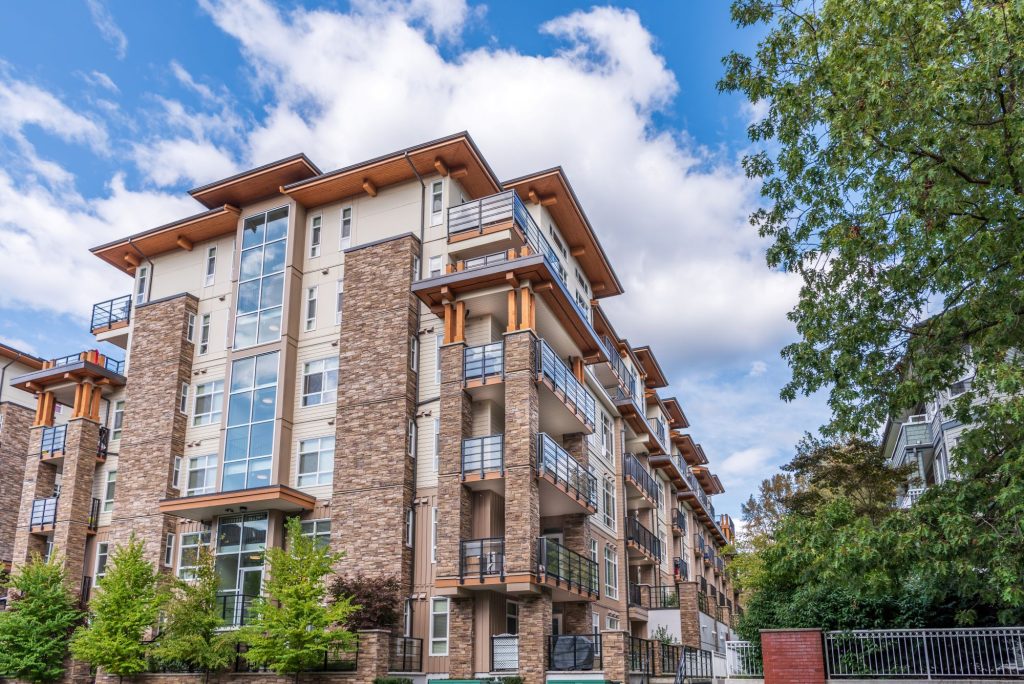

For private investors, multifamily real estate is often seen as a reliable path to steady returns. But consistent performance doesn’t happen by accident. It’s built through rigorous risk management at every stage of the investment lifecycle.
From shifting market cycles to rising insurance costs and operational uncertainties, multifamily investing comes with real exposure. The most successful investors aren’t just focused on upside—they’re actively planning for downside. And that’s where a comprehensive, proactive approach to risk management sets you apart.
Today we’re outlining the core areas of risk in private multifamily investing and how thoughtful, experienced multifamily real estate operators mitigate each one to protect investor capital and drive long-term success for everyone involved.
Market Risk
Even the best properties can underperform in the wrong market. Rising supply, changing migration patterns, and local job growth (or decline) all shape how an investment plays out. That’s why location, demand drivers, and timing are at the center of our acquisition strategy.
We’re not just looking at population growth. We’re looking at economic diversity, supply pipelines, and affordability metrics. We ask: Will this market still look attractive five years from now?
How we manage market risk:
- Target markets with steady population growth and job creation
- Analyze submarket supply trends and absorption rates
- Stress-test rent assumptions against modest growth scenarios
Financial Risk
Smart underwriting is the foundation of risk management. It’s not just about projecting how a property might perform, it’s about building in safeguards in case it doesn’t.
That’s why we take a conservative, disciplined approach to financial modeling. We start by carefully evaluating a property’s capitalization rate (or cap rate), a key metric that helps us compare investment opportunities and understand whether the deal reflects fair value.
From there, we layer in protections—conservative rent growth assumptions, ample reserves, and financing structures designed to weather volatility. Because the reality is, returns are never guaranteed, but a well-structured deal can create a cushion that helps protect investor capital when the unexpected happens.
How we manage financial risk:
- Use cap rate analysis to validate the purchase price and return potential
- Structure reserves to cover ongoing capital expenditures for the life of the hold, alongside a buffer for any unforeseen repairs/failures
- Model downside scenarios for interest rates, occupancy, and exit values
Insurance & Legal
Insurance costs have spiked across the real estate industry in recent years, especially for properties in climate-affected regions. At the same time, legal and liability risks have grown more complex.
We take a proactive approach to both, regularly reviewing coverage, partnering with top-tier insurance advisors, and putting protective systems in place from day one.
How we manage insurance and legal risks:
- Conduct ongoing insurance reviews to optimize coverage and cost
- Require tenant insurance and use vendor contracts with clear protections
- Stay ahead of regulatory changes and local ordinances
Operational Risk
What happens after you close matters just as much as the deal itself. Operations are where a lot of performance is either created or lost.
From tenant screening to maintenance scheduling, we’re hands-on with every part of the operating plan. A well-managed property isn’t just more efficient—it’s more resilient in the face of disruption.
How we manage operational risk:
- Partner with experienced, local property managers who share our standards
- Use preventative maintenance programs to stay ahead of costly issues
- Monitor tenant satisfaction and prioritize service
Exit Strategy
Markets change. And no matter how long you plan to hold an asset, having multiple exit strategies built into the deal structure is key to protecting investor returns.
We plan for more than just a best-case scenario. Our models include conservative valuation assumptions, and we actively monitor performance benchmarks throughout the hold period.
How we manage exit strategy:
- Identify and underwrite multiple potential exit paths
- Monitor market conditions and cap rate trends quarterly
- Maintain relationships with brokers, buyers, and lenders to stay agile
The Value of Transparency in an Investment Partner
At the end of the day, risk management isn’t just about protecting the investment, it’s about building trust. Our investors deserve to know what could go wrong, how we’re preparing for it, and what we’ll do if the unexpected happens.
We believe transparency is a risk management strategy. So we don’t hide risk. We manage it—openly, methodically, and with discipline. That’s how you create confidence in uncertain markets and consistency over the long term.
At CEP, we believe that a smart risk framework is the foundation of any strong portfolio. From how we structure deals to how we operate properties, it’s our job to protect what we build.
If you’re exploring multifamily investing and want a partner who leads with clarity, discipline, and experience, we’d love to share more about our risk-managed approach to multifamily investing. Contact us to get started.